Verified Immunity. Informed Choice.
Advocating for Rabies Titer Testing as a verified alternative to over-vaccination for medically fragile and protected animals.The Science of Verified Immunity
Moving from “Calendar-Based” Guesswork to “Evidence-Based” Protection.
1. The 0.5 IU/mL Threshold: The Global Benchmark
A Rabies Virus Antibody Titer (RVNA) isn’t just a “pass/fail” test; it is a precise measurement of your pet’s ability to neutralize the virus.
-
The WHO Standard: The World Health Organization (WHO) and the CDC recognize 0.5 IU/mL as the definitive “adequate response” to vaccination.
-
International Travel: This is the exact same standard required by “Rabies-Free” countries (like Hawaii, Japan, and New Zealand) for entry. If this level of immunity is trusted to protect entire island nations, it is more than sufficient for a pet living in Summit County.
-
The Reality: Many pets maintain levels far above 0.5 IU/mL for many years beyond their last booster. Re-vaccinating an animal that is already at or above this level provides zero additional protection.
2. Accredited Laboratories: Ensuring Accuracy
To maintain the highest level of public safety, our proposal requires that all titers be processed by accredited, gold-standard reference laboratories. We are advocating for the use of:
-
Kansas State University (KSU) Rabies Laboratory
-
Cornell University Animal Health Diagnostic Center
-
Auburn University College of Veterinary Medicine
These labs utilize the FAVN (Fluorescent Antibody Virus Neutralization) and RFFIT (Rapid Fluorescent Focus Inhibition Test) methods. These are the most rigorous tests available, ensuring that every “passing” result submitted to the County is scientifically irrefutable.
3. The Anamnestic Response: The “Memory” of Immunity
One of the most common misconceptions is that immunity “disappears” if a titer drops slightly. In reality, the immune system is dynamic.
-
Immune Memory: When a pet is vaccinated, their body creates “Memory B-cells.”
-
The Rapid Spike: If a pet with a passing titer is ever exposed to the rabies virus, these memory cells trigger an Anamnestic Response—a massive, rapid spike in antibody production that neutralizes the virus before it can take hold.
-
Long-Term Security: Research (by the Rabies Challenge Fund and others) proves that this “immunological memory” persists for many years, often for the life of the animal, making frequent re-vaccination of immune pets unnecessary.
Blog
Signed the Petition? Here is the Next Step. Join the Summit County Titer Action Group Thank you for adding your name to our cause. If you are ready to do more to protect our senior and fragile pets, we need you on our team. We have created a dedicated Facebook group…
How you can help
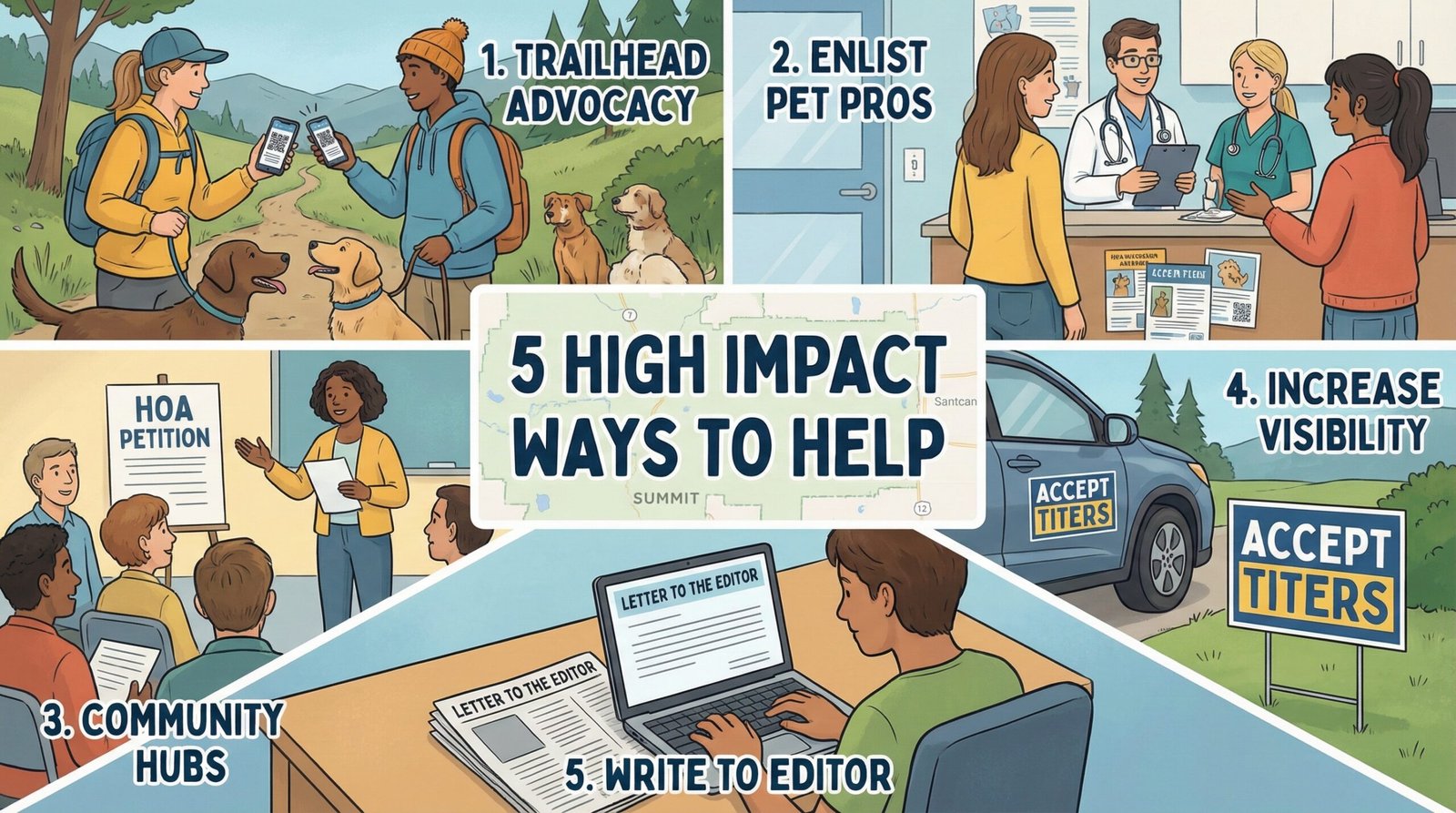
Beyond the Flyer: 5 High-Impact Ways to Advocate for Science-Based Pet Laws in Summit County We have momentum. Pet owners across Kamas and Park City are waking up to the reality that our current rabies ordinances are outdated and potentially harmful to our senior and…

Why Titer Testing is the Future of Rabies Protocols in Summit County
Smart Science, Healthier Pets: Why Titer Testing is the Future of Rabies Protocols in Summit County We all want the same thing for our pets: long, happy, and healthy lives. We also all want a safe community, free from the threat of rabies. For decades, the standard…
Two Decades of Observation: Why I am Advocating for Titer Choice
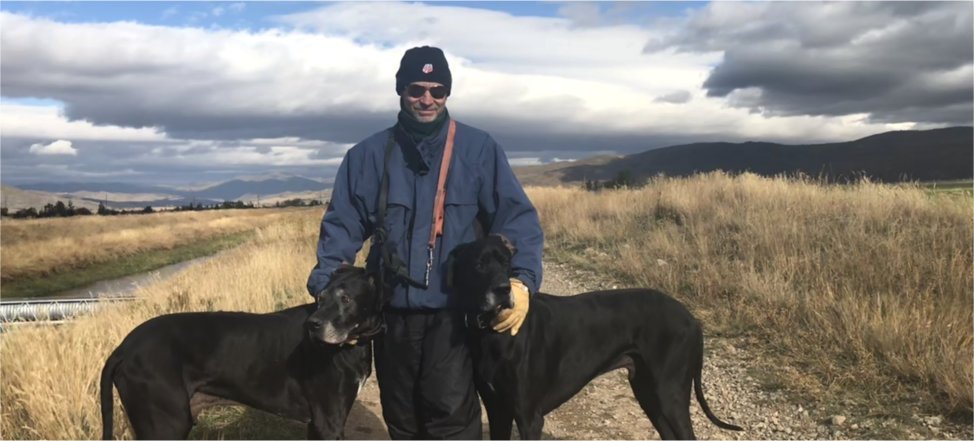
The Foundation of My Practice As an animal naturopath and researcher focused on longevity and oncology, I have spent the last thirty years looking for the root cause of health. My work is centered on finding natural and sustainable ways to keep our pets vibrant and…
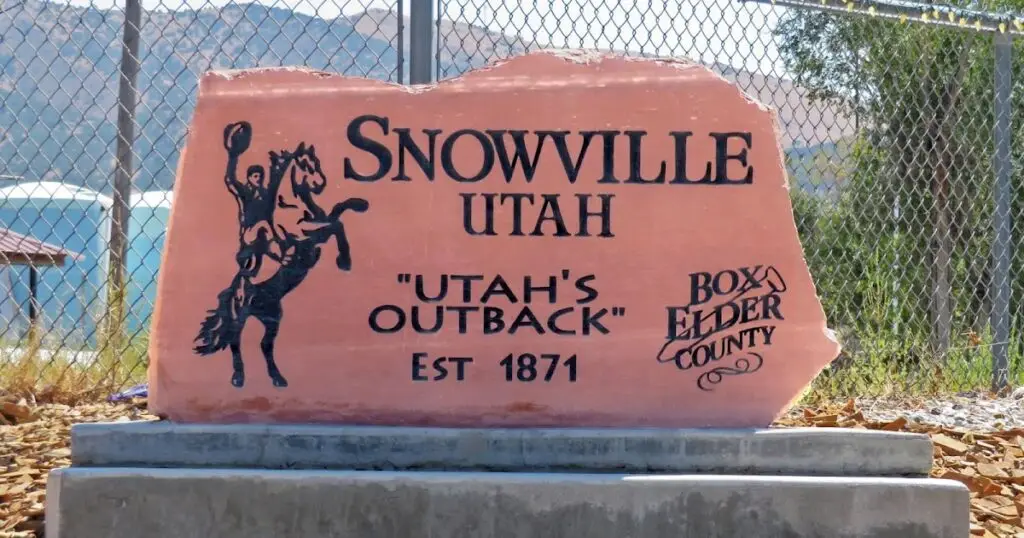
Utah Localities Can Choose Titer Recognition
The Snowville Precedent: Proof that Utah Localities Can Choose Titer Recognition One of the most frequent questions we receive at Rabies Titer Choice is: “Can a local county actually change these laws, or is it mandated by the State?” The answer lies in…

The Gold Standard
The Gold Standard: Why 0.5 IU/mL Matters for Rabies Titer Choice When we discuss modernizing rabies laws in Summit County, one specific number comes up repeatedly: 0.5 IU/mL. But what does this scientific measurement actually mean, and why is it the “Gold…