
The Gold Standard: Why 0.5 IU/mL Matters for Rabies Titer Choice
When we discuss modernizing rabies laws in Summit County, one specific number comes up repeatedly: 0.5 IU/mL.
But what does this scientific measurement actually mean, and why is it the “Gold Standard” for proving a pet is protected?
What is an Antibody Titer?
A Rabies Virus Antibody Titer (RVNA) is a laboratory test that measures the level of neutralizing antibodies in your pet’s blood. Unlike a vaccination certificate, which only proves that a shot was given, a titer test provides scientific proof that your pet’s immune system has successfully responded and is currently carrying the tools to neutralize the virus.
Why 0.5 IU/mL?
The measurement 0.5 International Units per milliliter (IU/mL) is not an arbitrary number. It is the internationally recognized threshold for “adequate immune response” established by the World Health Organization (WHO) and the World Organisation for Animal Health (WOAH).
Here is why this number is the bedrock of our initiative:
-
The Global Standard for Travel: If you want to move your dog to a “rabies-free” country like Japan, Australia, or the UK, those governments do not just ask for a vaccine record. They mandate a titer test showing at least 0.5 IU/mL. If it’s safe enough for these strict nations, it’s safe enough for Summit County.
-
The CDC Standard for Humans: The CDC uses the 0.5 IU/mL threshold to determine if veterinarians, vet techs, and researchers (who are at high risk for rabies) have enough protection or if they need a booster.
-
Correlating with Protection: Peer-reviewed challenge studies in dogs and cats have shown an excellent correlation between a titer of 0.5 IU/mL and the ability to survive a live viral exposure.
Proof vs. Practice
Currently, Summit County law requires a booster every three years regardless of what your pet’s bloodwork says. This means a pet with a robust titer of 2.5 IU/mL (five times the required amount) is legally treated the same as a pet with 0.0 IU/mL.
For a healthy pet, an unnecessary booster may just be a redundant expense. But for a medically fragile pet—one battling cancer, autoimmune disease, or the effects of advanced age—that unnecessary booster can trigger a life-threatening inflammatory response.
The Rabies Titer Choice Solution
We are advocating for a simple, science-based update: If a licensed Utah veterinarian submits a sample to an accredited lab (like Kansas State University) and the result is $\ge$ 0.5 IU/mL, that result should be legally recognized as proof of protection for licensing purposes.
By moving from a “calendar-based” system to an “evidence-based” system, we protect our pets’ health while maintaining 100% public safety.
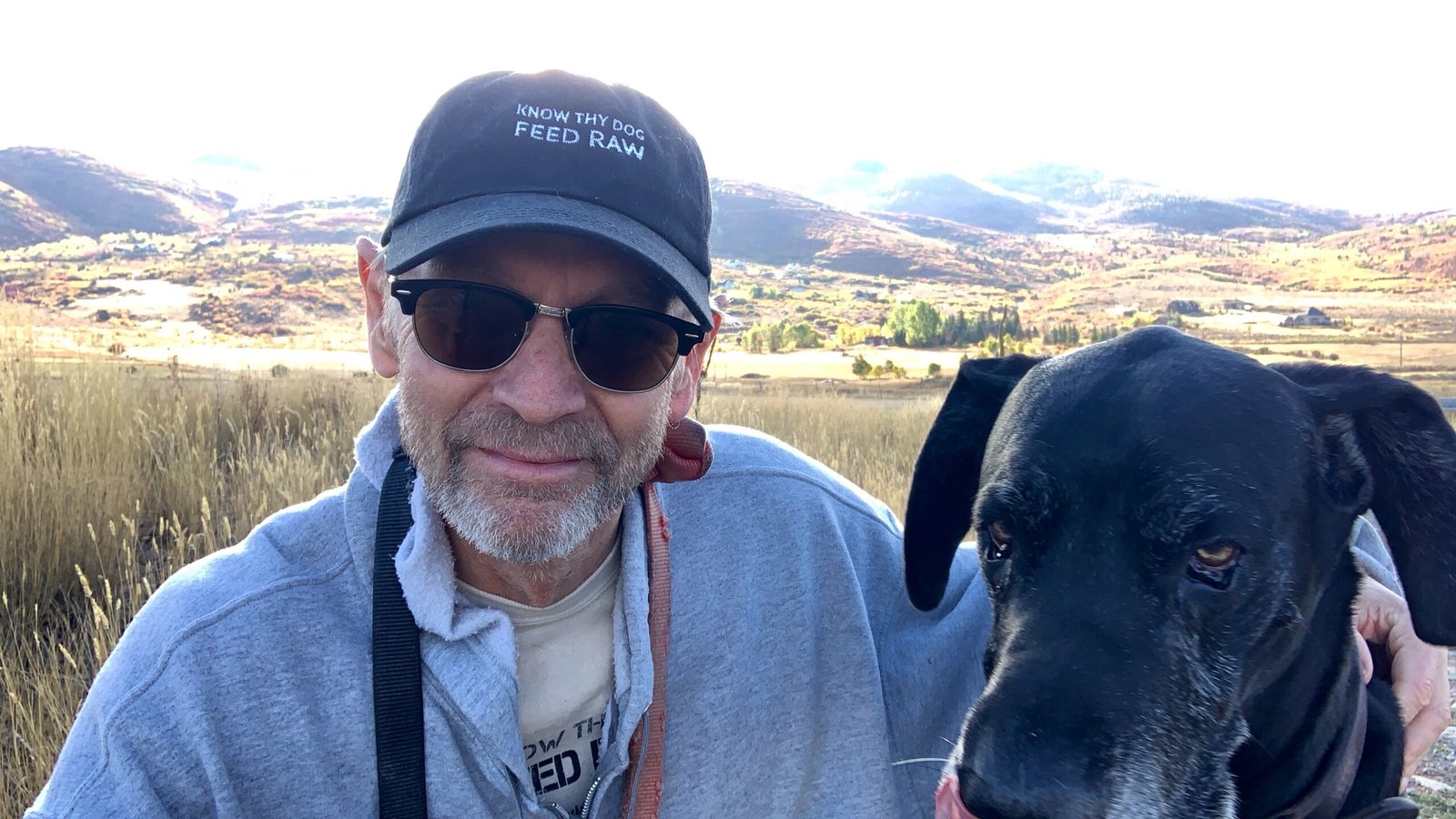
About Thomas Sandberg
Thomas Sandberg, CSAN, CCNC, AADP, is a board-certified Animal Naturopath and the founder of the Long Living Pets Research Projects. For over 20 years, Thomas has conducted the world’s largest observational study on raw-fed pets, documenting the health and longevity of 5,000 animals. As a researcher focusing on oncology and pet longevity, he has conducted over 500 in-depth consultations with pet owners wordlwide, focusing on the intersection of nutrition, immunology, and chronic disease.
Based in Summit County, Utah, Thomas is a leading advocate for evidence-based animal health. Through the Rabies Titer Choice initiative, he combines decades of clinical observation with modern immunology to advocate for safer, science-led vaccination policies that protect the health and homeostasis of our domestic animals.